
The Allure of Casinos: Why People Gamble
Casino gambling has long captivated individuals, drawing them into vibrant environments filled with chances for both thrill and fortune. The allure of potential jackpots alongside the excitement of games creates a unique attraction. This interplay between risk and reward often triggers a psychological response, compelling people to engage despite the inherent dangers of gambling addiction. Interestingly, many players explore options like uk casinos not on gamstop to find alternatives that suit their preferences and needs.

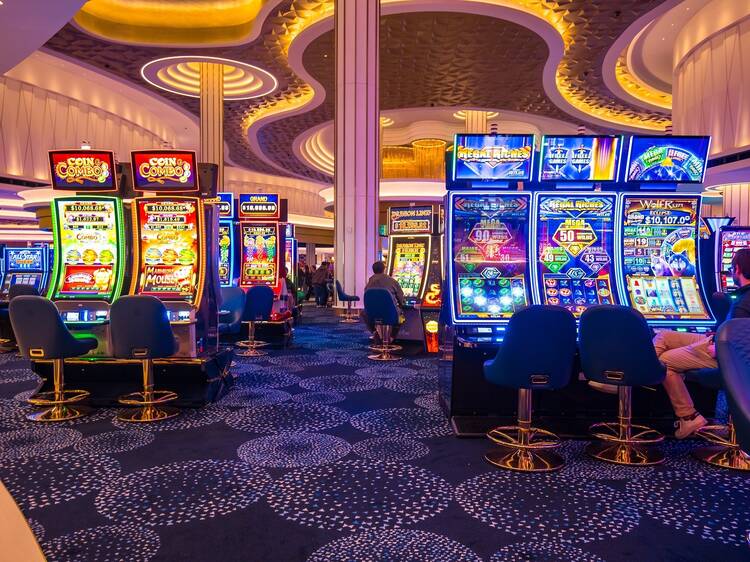
The ambiance of casinos, featuring bright lights, upbeat music, and enticing visuals, is intentionally designed to heighten emotional arousal. This sensory stimulation can lead to a temporary escapism for many players, providing a brief respite from everyday life and an opportunity to explore their hopes and dreams through games of chance.
The Role of Cognitive Biases in Gambling
Cognitive biases significantly shape gambling behavior, often leading individuals to misinterpret their chances of winning. One common bias is the ‘gambler’s fallacy,’ where players believe that past events influence future outcomes, such as assuming a winning streak will continue or that a losing streak must end. This misconception can lead to prolonged gambling sessions and increased financial risk.
Another influential bias is the illusion of control, wherein gamblers believe they can influence the outcome of games, especially in skill-based situations. This mindset fosters overconfidence, encouraging continued play as individuals strive to regain losses or amplify wins. Understanding these cognitive biases is crucial in recognizing the psychological patterns that fuel gambling behaviors.
The Impact of Emotions on Gambling Decisions
Emotions play a vital role in gambling decisions, influencing behaviors in both positive and negative ways. Joy and excitement can enhance the gambling experience, motivating players to take greater risks. Conversely, negative emotions such as stress or frustration may lead to impulsive gambling choices as individuals seek to alleviate their emotional pain through gambling.
Moreover, the ‘near-miss’ phenomenon, where players come close to winning but ultimately lose, can evoke strong emotional responses. This experience can reinforce the desire to continue playing, as individuals may perceive themselves as being on the verge of success. Such emotional dynamics contribute to a cycle of gambling that is challenging to break.
Addiction and Behavioral Patterns in Gambling
Gambling can become addictive due to its ability to trigger the brain’s reward systems. When players win, their brains release dopamine, a neurotransmitter associated with pleasure and reward. This chemical response reinforces the behavior, leading individuals to repeatedly seek that same euphoric feeling. Over time, this can escalate into compulsive gambling, where the individual prioritizes gambling above all else.
Furthermore, the patterns of gambling behavior often mirror those of substance addiction. Individuals may experience cravings, withdrawal symptoms, and a loss of control over their gambling actions. Understanding these patterns is crucial for developing effective interventions and support systems for individuals struggling with gambling addiction.
Finding Support and Resources
For those impacted by gambling behavior—either personally or through loved ones—seeking support is vital. Numerous organizations and resources are dedicated to aiding individuals in understanding their gambling habits and providing avenues for recovery. These resources can include counseling, support groups, and online platforms that offer valuable information and a sense of community.
As the stigma surrounding gambling behavior decreases, more individuals are encouraged to seek help and share their experiences. Understanding the psychological aspects of gambling behavior can empower players to make informed choices and potentially lead to healthier relationships with gambling in the long run.