
The historical journey of casinos from ancient games to modern entertainment
Origins of Gambling in Ancient Civilizations
The history of casinos can be traced back to ancient civilizations, where games of chance were intertwined with social and cultural practices. Archaeological findings reveal that dice dating back to 3000 BC were used in Mesopotamia, indicating early forms of gambling. Ancient Egyptians also participated in games involving chance, using rudimentary boards and pieces that resemble modern gaming setups. Additionally, players today might find the best online casino australia for a contemporary experience that pays homage to these ancient traditions.

In China, around 200 BC, gambling games like Keno emerged, showing the universal appeal of risk and reward. These ancient games laid the foundation for what would later evolve into more organized forms of gambling, setting the stage for the birth of casinos.
The Evolution of Gambling in the Middle Ages
The Middle Ages saw a significant shift in gambling practices, particularly in Europe. Gambling became regulated, with the first recorded gambling houses appearing in Italy during the 17th century. The rise of these gambling establishments, often frequented by the aristocracy, marked a turning point in the history of casinos, as they began to resemble the organized venues we know today.
Moreover, card games gained popularity during this period, particularly among the nobility. Games such as poker and blackjack began to take shape, drawing on earlier traditions while introducing new rules and strategies. This era reinforced gambling’s status as a form of both entertainment and social interaction.
The Birth of Modern Casinos in the 18th Century
The 18th century heralded the formal establishment of modern casinos, beginning with the opening of the Casino di Venezia in Italy in 1638. This marked a significant development in gambling history, as it introduced a structured environment where various games could be played under one roof. The popularity of casinos spread throughout Europe, with places like Monte Carlo becoming synonymous with luxury and high-stakes gambling.
During this time, the concept of house edge became well-defined, allowing operators to create a sustainable business model. This change not only made casinos more appealing to patrons but also transformed them into a vital part of the local economy.
The Global Expansion of Casinos in the 20th Century
The 20th century experienced an explosion of casino culture, particularly in the United States. Las Vegas emerged as the gambling capital of the world, attracting millions of visitors eager to experience its lavish casinos and entertainment offerings. This era also saw the legalization of gambling in various states, contributing to a surge in casino construction and the establishment of tribal gaming across the nation.
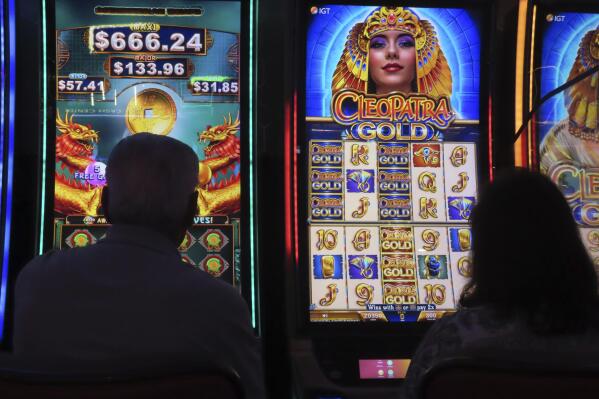
Internationally, casinos flourished in regions such as Macau, where gambling became a significant driver of economic growth. The global expansion of casinos during this period diversified the types of games offered, evolving from traditional table games to include popular games and slot machines, catering to a broader audience.
Exploring Today’s Online Casino Experience
In recent years, the casino landscape has been revolutionized by technology, leading to the rise of online casinos. Players now have the ability to enjoy their favorite games from the comfort of their homes, with a vast selection of options available at their fingertips. This shift has democratized access to gambling, appealing to a wider demographic.
Online casinos continue to innovate, incorporating features such as live dealer games and virtual reality experiences to enhance user engagement. As the industry evolves, it remains crucial for players to navigate the options carefully, ensuring that they choose secure and reputable sites for their gaming needs.